
The Difference Between Nice Photos and Marketable Property Content
1 min read
The Difference Between Nice Photos and Marketable Property Content
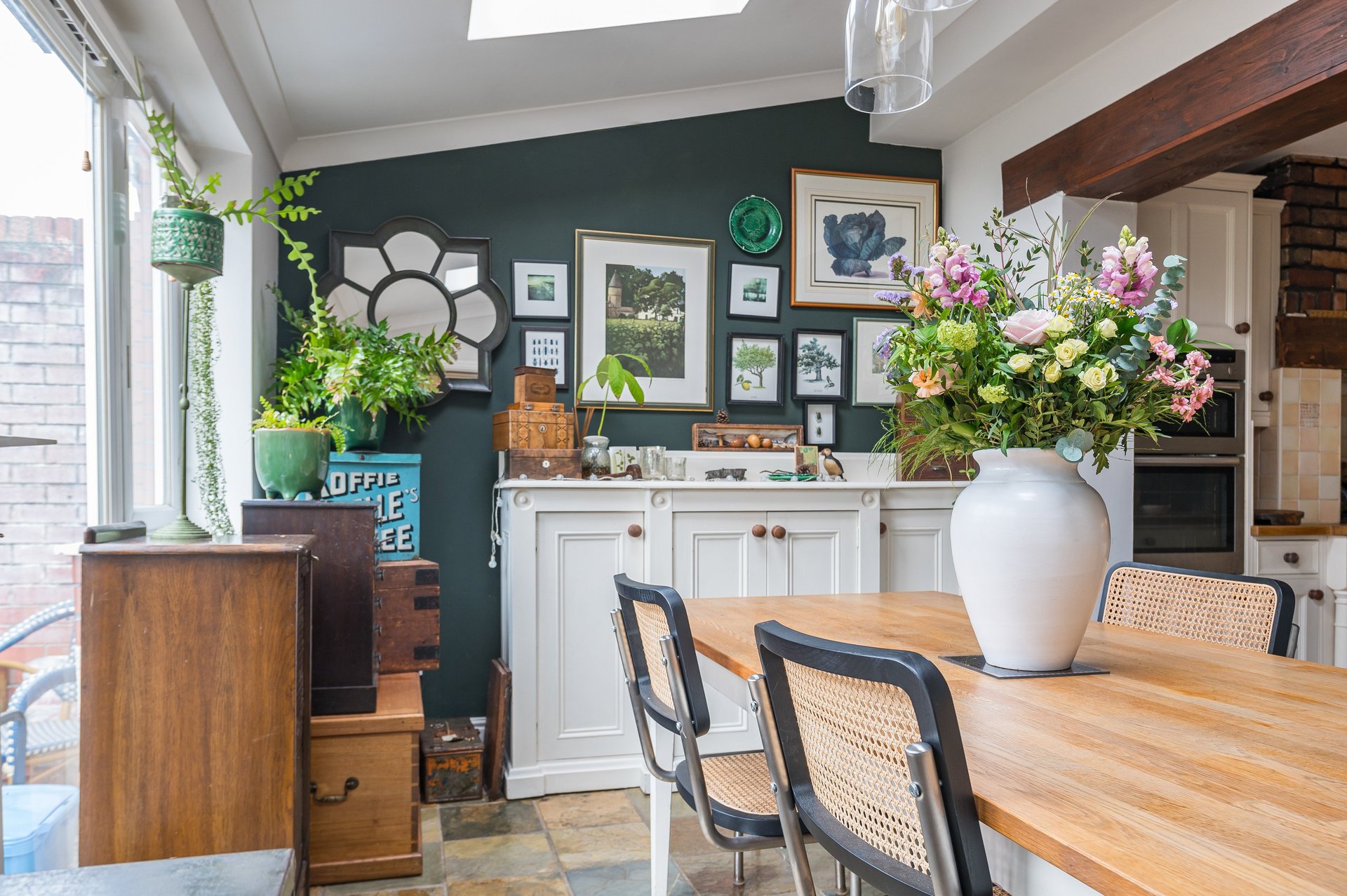
Property listings are full of attractive images, but not all of them help sell homes or support estate agents effectively. Understanding the difference between nice photos and marketable property content can improve buyer engagement and strengthen an agent’s brand.
What are “nice photos” in property marketing?
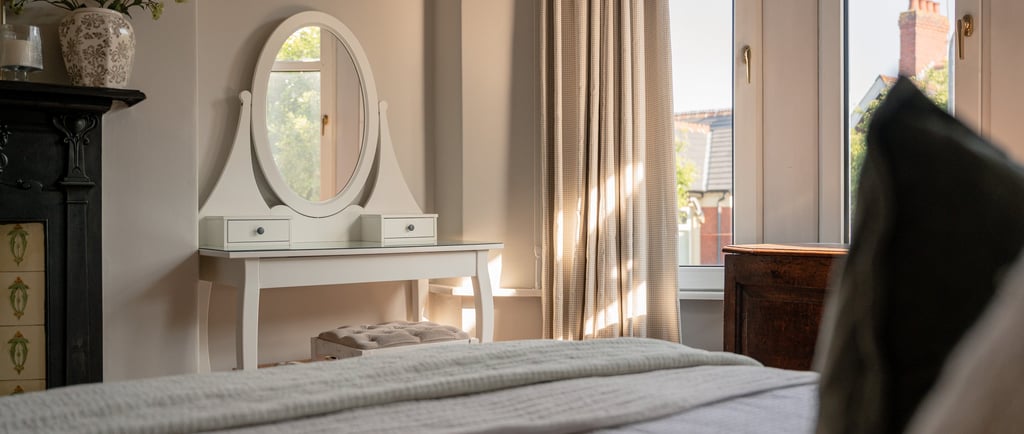
Nice photos are images that look good in isolation.
They are often:
Well lit and well composed
Taken with wide lenses
Designed to make rooms appear appealing
There is nothing wrong with this. Nice photos are part of any professional listing. However, on their own, they do not always communicate clearly.
What is marketable property content?
Marketable property content is created with a purpose beyond appearance.
It is designed to:
Help buyers understand layout and flow
Reduce uncertainty before a viewing
Communicate value rather than just features
Support the agent’s wider marketing message
This type of content works as a set, not as individual images.
Why does this matter to estate agents?
For estate agents, visuals do more than attract clicks. They shape how vendors and buyers perceive professionalism.
Marketable property content:
Makes listings easier to understand
Improves the quality of enquiries
Helps justify guide prices
Reinforces trust during valuations
In competitive markets such as Cardiff and South Wales, this distinction can influence which agent vendors choose.
Do nice photos help sell houses?
Nice photos help attract attention, but attention alone does not sell homes.
Buyers make decisions when they feel informed. Content that explains space, proportion and flow is more effective than content that simply looks impressive.
How should agents approach property photography and video?
The most effective approach is intentional.
Rather than asking for more images, agents benefit from asking how visuals will be used, sequenced and understood. That shift turns photography into marketing rather than decoration.
Contact
Reach out for tailored estate agent content.
firstlookvisualmarketing@gmail.com
07990828196 (Owen)
Registered Address: Peterston-super-Ely, CF5 6LH
© 2025. First Look Visual Marketing. All rights reserved.