

The mistake agents make when they treat video as an add-on
1 min read

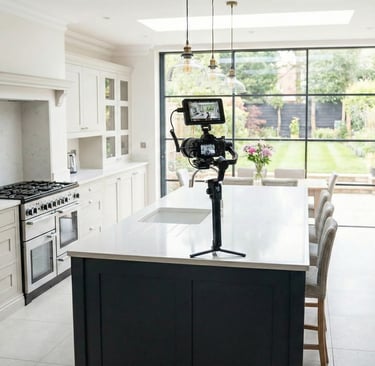
The Mistake Estate Agents Make When They Treat Video as an Add-On
Property video has become common, but it is still frequently misunderstood. Many estate agents include video because it feels expected, not because it has been planned with a clear purpose.
This article explains why treating video as an add-on can limit its effectiveness and how a more considered approach benefits agents, vendors, and buyers.
Why is property video often treated as an extra?
Video is often introduced late in the marketing process.
Photography is planned first, and video is added afterwards due to time pressure or habit. Without a clear role, video becomes supplementary rather than strategic.
What should property video actually do?
Effective property video helps buyers understand a home before they visit.
It can:
Show flow between spaces
Give a sense of scale
Provide context that still images cannot
When video fulfils this role, it improves the quality of enquiries rather than simply increasing attention.
How does treating video as an add-on affect results?
When video is rushed or unplanned, it often:
Repeats the photography
Feels generic
Adds little clarity
Buyers may skip it, and vendors may question its value.
Why does this matter to estate agents?
Video reflects how an agent approaches marketing.
A well-planned video:
Signals professionalism
Reassures vendors
Supports confidence during valuations
Enhances the agent’s brand
In markets such as Cardiff and South Wales, these signals can influence how agents are perceived.
How should agents approach video more effectively?
Video works best when it is planned from the start.
Deciding what video should achieve, where it will be used, and how it complements photography allows it to add genuine value rather than functioning as an afterthought.
Example Estate Agent Property Marketing Video in Cardiff, South Wales

Contact
Reach out for tailored estate agent content.
firstlookvisualmarketing@gmail.com
07990828196 (Owen)
Registered Address: Peterston-super-Ely, CF5 6LH
© 2025. First Look Visual Marketing. All rights reserved.