
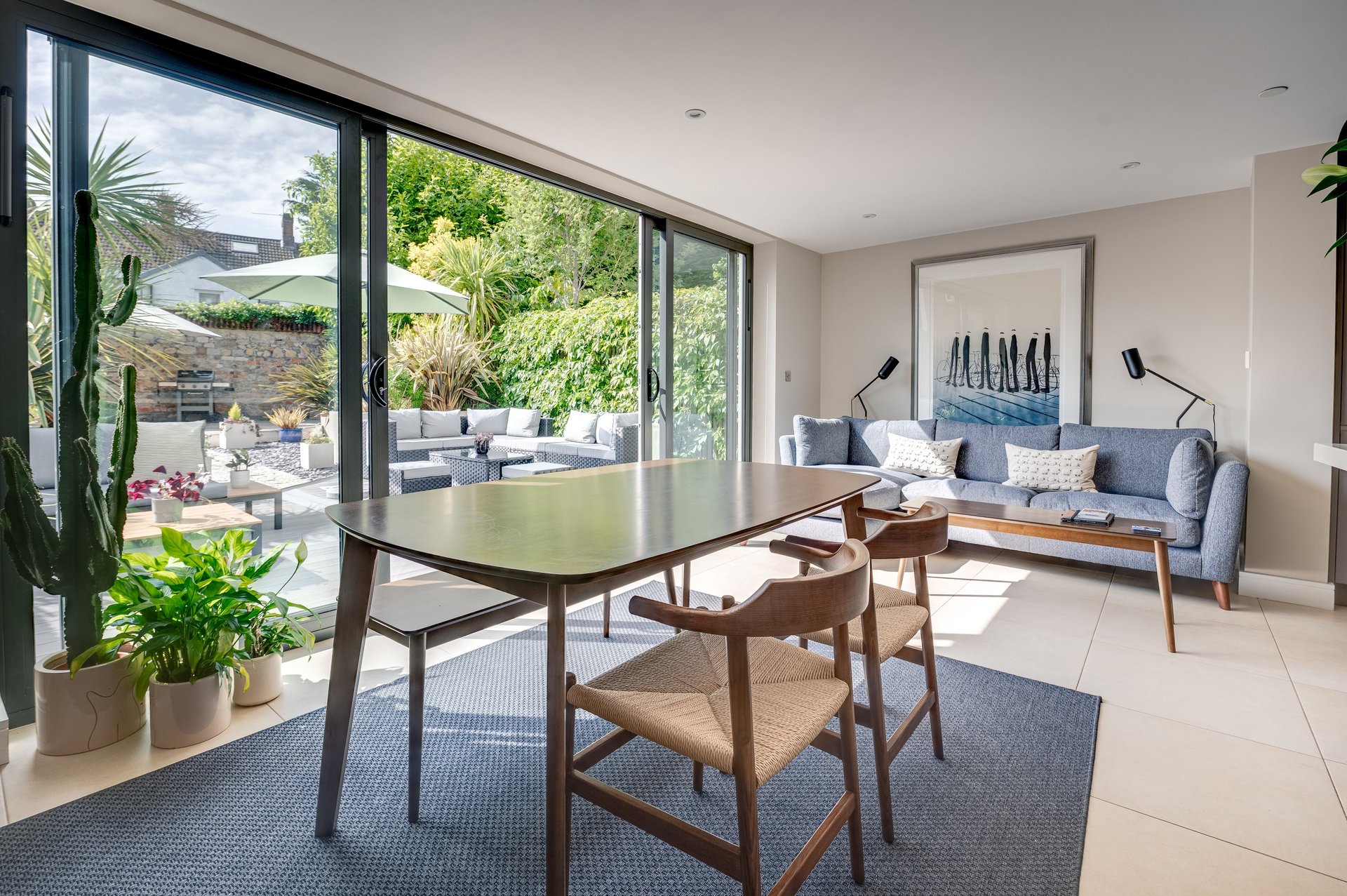
Why ‘wide-angle everything’ can quietly damage trust with vendors
1/22/20261 min read
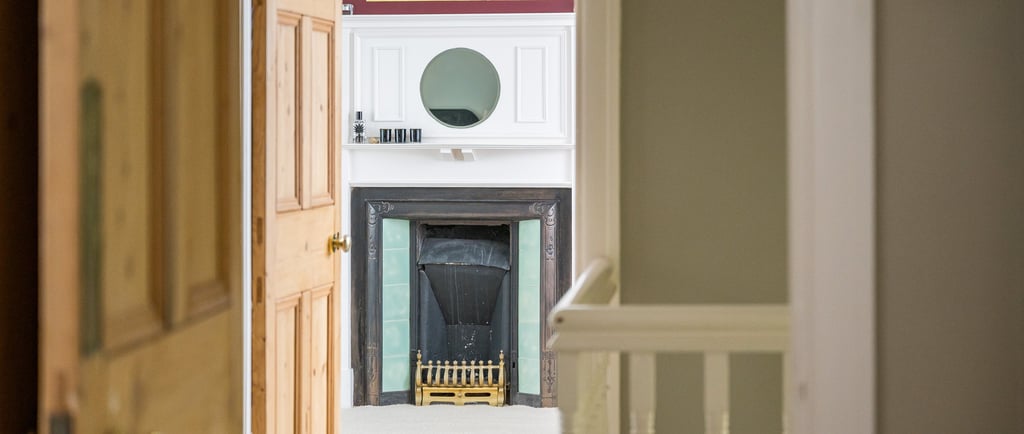
Why Wide-Angle Property Photography Can Quietly Damage Trust with Vendors
Wide-angle lenses are common in property photography, particularly for smaller rooms or tight spaces. Used well, they help buyers understand layout and flow. Used without restraint, they can cause problems for both agents and vendors.
Why do estate agents use wide-angle lenses so often?
Wide-angle photography has become standard because it:
Helps rooms appear more spacious
Matches buyer expectations online
Allows full rooms to be shown in one frame
These benefits are real, but only when used appropriately.
How can wide-angle photography affect buyer perception?
When wide-angle lenses are overused, room proportions can feel misleading.
Buyers may arrive at viewings expecting more space than exists. This can lead to disappointment, even when the property is accurately priced and well presented.
The issue is rarely raised directly, but it affects confidence.
Why does this matter to vendors?
Vendors care deeply about how their home is represented.
If marketing visuals feel exaggerated, vendors may worry that buyers are being misled. That concern often grows when feedback from viewings does not match online interest.
Trust is easier to maintain when marketing feels honest.
How does this reflect on estate agents?
Property photography reflects an agent’s judgement.
Over-exaggerated visuals can:
Undermine confidence at valuation stage
Create tension during feedback conversations
Make marketing feel transactional rather than considered
In competitive markets such as Cardiff and South Wales, these small perceptions matter.
What is a better approach to wide-angle property photography?
The most effective approach is selective use.
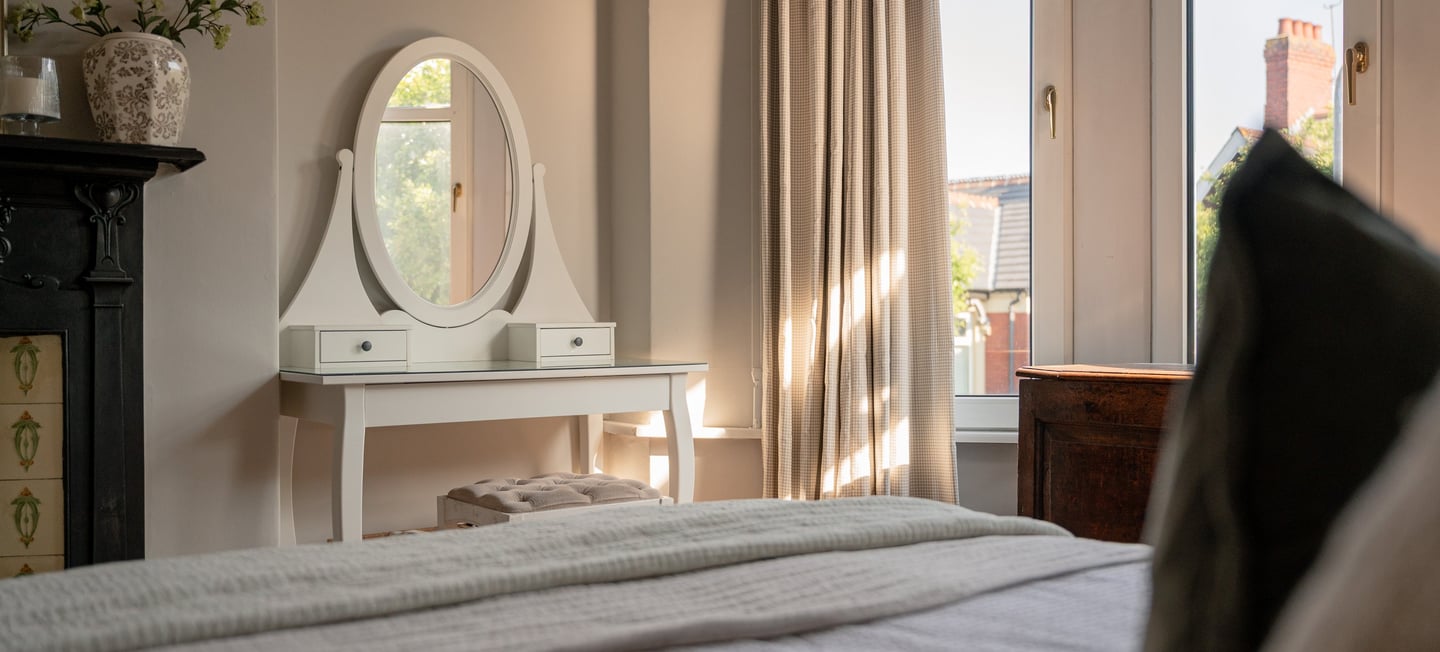
Wide-angle lenses should be used where they help explain space, not where they distort it. A mix of perspectives often gives buyers a clearer understanding and leads to better-aligned expectations.
Contact
Reach out for tailored estate agent content.
firstlookvisualmarketing@gmail.com
07990828196 (Owen)
Registered Address: Peterston-super-Ely, CF5 6LH
© 2025. First Look Visual Marketing. All rights reserved.